
Is a Dental Infection an Emergency? Signs That Need Immediate Attention
We have all been there. Life gets busy, work piles up, and suddenly you feel a little twinge in your tooth. Maybe it is just a dull ache when you eat something cold, or perhaps your gums look a bit redder than usual. Your first instinct is likely to ignore it. You might think it is just a passing annoyance that will fix itself if you give it a few days. While some minor dental issues do calm down on their own, a dental infection is not something you should brush off.
At Malden Cosmetic Dentistry And Implants, we see plenty of patients who waited weeks hoping their pain would vanish. We get it. You are busy, and scheduling a dentist appointment is rarely at the top of your to do list. But here is the reality: an infection in your mouth is not just about a tooth. It is a health issue that can spread and really hurt your quality of life. Knowing when that nagging ache turns into an emergency is a skill that could save you a lot of pain and trouble down the road.
What Actually Is A Dental Infection?
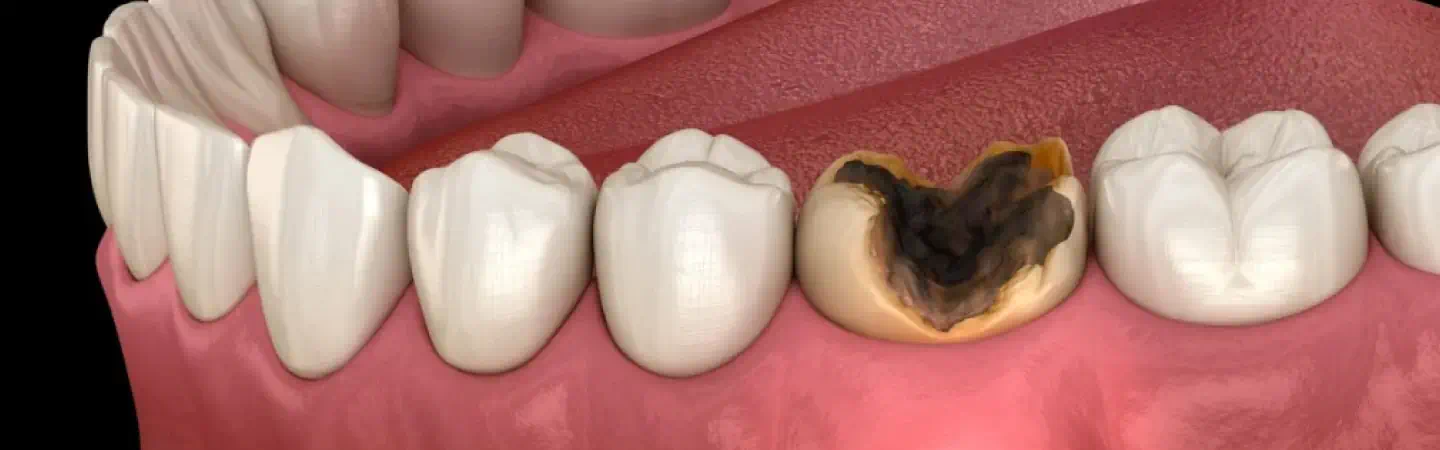
Before we get into emergency signs, let us look at what is happening inside your mouth. Usually, it starts small. Maybe you had a cavity you ignored, or a tiny chip in a tooth that let bacteria sneak inside. Your mouth is a busy place, and bacteria are always circulating. When those bacteria find a way into the softer layers of your tooth or get trapped in your gum tissue, they start to thrive.
This leads to inflammation. Your body tries to fight back, which is why you feel pain, see redness, or notice swelling. If the infection stays small, it might just be a dull ache. But when it grows, it can become an abscess. This is a pocket of pus that forms as your immune system tries to wall off the bad stuff. Once you hit this stage, you need to pay attention.
Red Flags That Need Action
Most people debate whether to rush to the dentist or wait until morning. While every mouth is different, some signs scream that you need professional help right now. These are the red flags that tell you this is not a home remedy situation.
One major red flag is swelling that spreads. If your cheek, jaw, or neck looks puffy or feels hard to the touch, that infection is likely moving into the surrounding tissue. That is a clear sign you need to see a dentist immediately.
Fever and chills are another pair of symptoms that should trigger a phone call to our office. These show that your body is having a systemic reaction to the infection. It means the bacteria are not just hanging out in your tooth anymore but are causing a wider response in your body. If you feel feverish or your lymph nodes are tender, do not wait.
Then there is the most urgent sign: difficulty breathing or swallowing. This means the infection has reached a space in your neck or throat where it could block your airway. If this happens, skip the dentist office and head straight to an emergency room. It is a rare outcome, but it is a serious one, and it is always better to be safe.
When Should You Seek Help?
Even without the severe symptoms above, persistent, intense pain is a major warning. If that pain is keeping you up at night, making it impossible to eat, or just not letting up, it is a strong indicator of an infection that needs to be addressed.
Also, watch for a bad taste in your mouth or a sense of fluid draining. This often happens if an abscess ruptures. You might feel a tiny bit of pressure relief, but that infection is still there. The source of the bacteria has not gone away. You still need to have that tooth treated to ensure the infection does not come back worse than before.
If you have health conditions that affect your immune system, like diabetes, be extra cautious. You are more susceptible to infections spreading quickly. In your case, we usually suggest coming in at the very first sign of trouble rather than taking a wait and see approach.
What To Do While You Wait
We know you might not be able to get to the office the exact second you notice a problem. If you have an appointment booked for later, there are a few simple things you can do to stay comfortable.
Rinsing with warm salt water is an effective way to manage the area. It clears away surface debris and can be surprisingly soothing. Just mix half a teaspoon of salt into a glass of warm water, swish it gently, and spit it out.
For external swelling, use a cold compress. Wrap a bag of frozen peas or an ice pack in a thin towel and hold it against your cheek for fifteen to twenty minutes at a time. This usually helps calm the inflammation.
Try to avoid chewing on that side of your mouth. Stick to soft foods like yogurt, soup, or pasta to give the area a break. If you take pain medication, follow the label instructions carefully. Never place aspirin or pills directly on your gums, as that can actually burn your tissue and make things worse.
Why Fast Treatment Matters
It is natural to wonder why we push for quick care. The truth is, dental infections do not heal like a scraped knee. They do not close up and disappear. They tend to burrow deeper into the bone or travel through your soft tissue.
When we catch an infection early, treatment is often simpler. It might be a root canal or a procedure to drain the abscess, which can save your tooth. If you wait until the infection damages the surrounding bone or spreads to your neck, the treatment gets much more complex and your recovery takes longer. By coming in early, you are choosing a path that is usually easier on your body and your schedule.
Frequently Asked Questions
Q: Can an infection go away with just antibiotics?
A: Antibiotics can help stop the spread, but they do not fix the underlying cause. If you have a deep cavity or an abscess, the bacteria will keep causing problems unless the tooth is treated. Antibiotics are usually a temporary step to prepare you for the real work.
Q: Will I have to lose my tooth?
A: Not necessarily. We always try to save your natural tooth if we can. Procedures like root canal therapy allow us to clean out the infection and seal the tooth. We only suggest pulling a tooth if it is too damaged to be saved.
Q: Is it safe to wait a few days to see if the pain stops?
A: We really advise against it. Even if the pain seems to fade, the infection is still active. Waiting can lead to the infection spreading, which makes the whole situation more serious and painful.
Q: How can I tell if my gum swelling is from an infection?
A: If you see a bump on your gum, a tender area, or notice swelling not caused by a recent injury, it is likely an infection. A quick exam is the best way to know for sure.
Q: Can I use clove oil for the pain?
A: Some people find clove oil numbs the area. If you use it, be very careful to apply only a tiny amount to the tooth and keep it off your gums, as it can be very irritating. It is a temporary fix, not a cure.
Getting Back To Your Smile
Dealing with a dental infection is stressful. It hurts, and it can be scary. But you do not have to handle it alone. We are here to help you get out of pain and back to your life as quickly as we can. We try to create a place where you feel heard and well cared for, even when things are urgent. If you feel like something is wrong, reach out. We will talk through your symptoms and help you figure out the best next steps for your health.


Hours
Monday & Wednesday: 9 AM - 6 PM
Tuesday & Friday: 9 AM - 5 PM
Saturday: 9 AM - 3 PM
Thursday & Sunday: Closed


© 2025 Malden Cosmetic Dentistry & Implants | All Rights Reserved | Privacy Policy | HIPAA Policy | Designed by Remedo