
Is Dental Bonding a Good Solution for Chipped or Cracked Teeth?
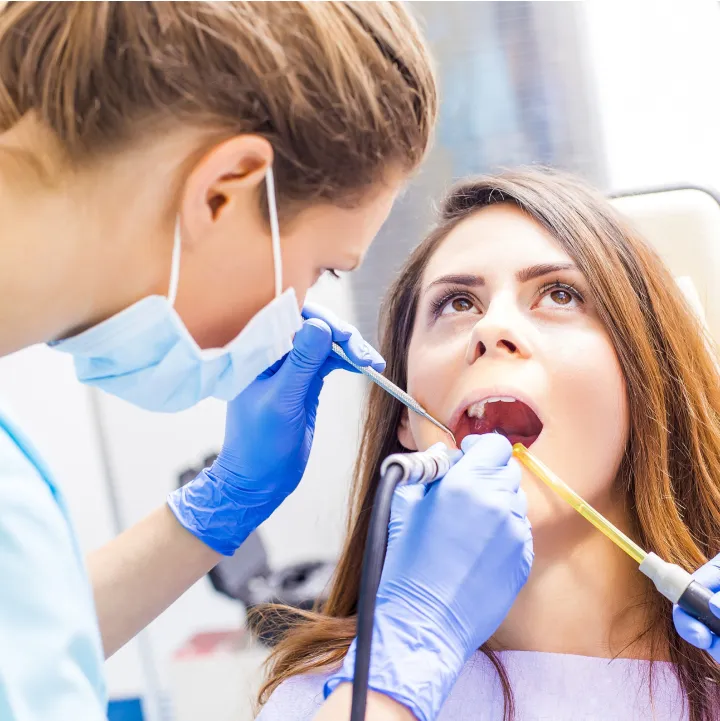
A chipped or cracked tooth is a common dental concern that can happen to anyone. Whether it occurs during a meal, a sports activity, or simply from biting something unexpectedly hard, the sudden change in your tooth can be alarming. Beyond affecting your appearance, chipped or cracked teeth may also lead to sensitivity, weakened tooth structure, or additional damage if left untreated.
Fortunately, modern dentistry offers several effective restorative options. One of the most popular, convenient, and affordable treatments is dental bonding. At Malden Cosmetic Dentistry & Implants, dental bonding is frequently recommended for patients seeking a fast, natural-looking solution for minor chips, cracks, or small cosmetic imperfections.
This guide explains when dental bonding is appropriate, how the procedure works, and whether it is the right solution for your type of tooth damage.
What Is Dental Bonding?
Dental bonding is a cosmetic and restorative procedure that uses tooth colored composite resin to improve the appearance and function of a tooth. The material is shaped directly on the tooth and hardened with a special curing light. Because it blends seamlessly with the surrounding enamel, bonding is an excellent solution for restoring a natural look.
Bonding is typically completed in a single visit, making it a quick and convenient option for patients who want immediate results without the need for a lab-made restoration.
Is Dental Bonding a Good Solution for Chipped or Cracked Teeth?
Yes, in many cases, dental bonding is an excellent solution for repairing chipped or cracked teeth. It is ideal for minor or superficial damage where the tooth structure is still strong and the crack does not extend into deeper layers of the tooth.
Below are the situations where bonding is most effective.
1. Repairing Minor Chips
Small chips in the enamel are usually the easiest concerns to correct with bonding. The composite resin restores the missing portion of the tooth, matches the original color, and blends seamlessly with the natural shape. Patients appreciate how bonding can make a chipped tooth look whole again in less than an hour.
2. Treating Small Cracks
If the tooth has a surface-level crack that does not affect its structural integrity, bonding can fill the crack and add strength to the weakened area. It also improves appearance by hiding visible lines that can make the tooth look aged or damaged.
For deeper cracks that affect the nerve or extend below the gumline, more advanced treatments may be necessary. In such cases, a crown or root canal may be recommended instead. The team at Malden Cosmetic Dentistry & Implants performs a full evaluation to determine whether bonding is a suitable option.
3. Fixing Worn Edges
Patients who clench or grind often experience wear along the biting edges of their front teeth. Dental bonding helps rebuild these areas and restores normal shape and length. With proper care and a nightguard if needed, bonding can help prevent further wear.
4. Improving Tooth Shape and Alignment
In addition to repairing cracks and chips, bonding can improve the appearance of slightly uneven or misshapen teeth. It can fill gaps, smooth rough surfaces, and reshape teeth that look too short. Many cosmetic bonding procedures combine function and aesthetics, allowing patients to rejuvenate their smile with minimal tooth modification.
Advantages of Dental Bonding for Chipped or Cracked Teeth
Patients often prefer dental bonding because of its many benefits, including:
Non-invasive treatment
Bonding does not require removing a significant amount of enamel. Most of the natural tooth remains preserved.
Fast results
The entire procedure is usually completed in a single visit, with results visible immediately.
Affordable option
Compared to veneers or crowns, bonding is usually the most cost-effective cosmetic restoration.
Natural appearance
Composite resin can be expertly matched to the shade, translucency, and texture of the existing tooth.
Reversible procedure
Because the tooth structure remains intact, bonding can be removed or replaced without major alterations to the tooth.
These factors make bonding a popular solution for patients looking for quick, natural-looking repairs.
Limitations of Dental Bonding
While dental bonding is a great choice for many situations, it does have some limitations.
Durability
Bonding is strong, but it is not as durable as porcelain crowns or veneers. It may chip or stain over time, especially if you frequently bite hard foods, grind your teeth, or consume dark colored beverages.
Not suitable for major damage
If a tooth has a deep crack, large fracture, or significant structural weakness, a crown or porcelain restoration provides better long-term strength.
May need periodic maintenance
Bonding can last several years, but occasional touch-ups or replacement may be needed depending on habits and oral care routines.
Your dentist will evaluate whether dental bonding is the most appropriate treatment or whether a stronger restoration would better protect the tooth.
How the Dental Bonding Procedure Works
Dental bonding at Malden Cosmetic Dentistry & Implants is designed to be comfortable, efficient, and highly customized for each patient.
Step 1: Examination and Consultation
Your dentist evaluates the chip or crack to determine whether bonding is appropriate. X rays may be taken if there is suspicion of deeper damage.
Step 2: Tooth Shade Matching
The dentist selects a resin shade that matches your natural tooth color for a seamless result.
Step 3: Tooth Preparation
The tooth surface is gently cleaned and conditioned to help the bonding material adhere properly. Most bonding procedures do not require pain management unless the chip is near a sensitive area.
Step 4: Resin Application and Sculpting
Composite resin is applied and shaped to restore the tooth’s natural contour. This step is artistic and requires skill to match the tooth’s original structure.
Step 5: Curing Light
The resin is hardened using a special curing light for long lasting stability.
Step 6: Polishing and Final Adjustments
Your dentist smooths and polishes the bonded area to ensure a natural shine and comfortable bite.
After bonding, the tooth looks intact, healthy, and aesthetically improved.
How Long Does Dental Bonding Last?
On average, dental bonding lasts three to ten years depending on:
- Oral hygiene habits
- Diet
- Grinding or clenching
- Location of the bonding on the tooth
- The size of the restored area
Avoiding chewing ice, biting fingernails, or using teeth to open packages will help extend the life of the bonding.
Is Dental Bonding Right for You?
Dental bonding is ideal for you if:
- The chip or crack is small
- You want an affordable and quick solution
- You want to preserve natural tooth structure
- You are looking for cosmetic improvement
- You prefer a minimally invasive procedure
If the damage is extensive, your dentist may recommend crowns, veneers, or other porcelain restorations for long lasting protection.
Why Choose Malden Cosmetic Dentistry & Implants for Dental Bonding?
Malden Cosmetic Dentistry & Implants is known for personalized, high quality cosmetic and restorative care. The practice offers:
- Expert cosmetic bonding for chipped or cracked teeth
- Advanced imaging and detailed evaluations
- Aesthetic focused treatment planning
- Custom shade matching for natural results
- A wide range of cosmetic and restorative solutions
- Comprehensive care for long term oral health
Their team ensures every bonding procedure is crafted to restore both beauty and function.
Conclusion
Dental bonding is a highly effective solution for repairing minor chips and cracks, restoring the appearance and function of your tooth with minimal treatment time. It offers a natural, affordable, and non-invasive option for patients who want fast results and a healthier smile. While it may not be ideal for severe damage, it is often the best first-line treatment for cosmetic and structural improvements in small areas.
If you have a chipped or cracked tooth, a professional evaluation will help determine if dental bonding is the right solution for you.
If you have a chipped or cracked tooth and want to restore your smile quickly and affordably, Malden Cosmetic Dentistry & Implants is here to help. Their team provides expert cosmetic bonding and personalized care for long-lasting results.


Hours
Monday & Wednesday: 9 AM - 6 PM
Tuesday & Friday: 9 AM - 5 PM
Saturday: 9 AM - 3 PM
Thursday & Sunday: Closed


© 2025 Malden Cosmetic Dentistry & Implants | All Rights Reserved | Privacy Policy | HIPAA Policy | Designed by Remedo