
How Long Does It Take to Complete Dental Implant Surgery?
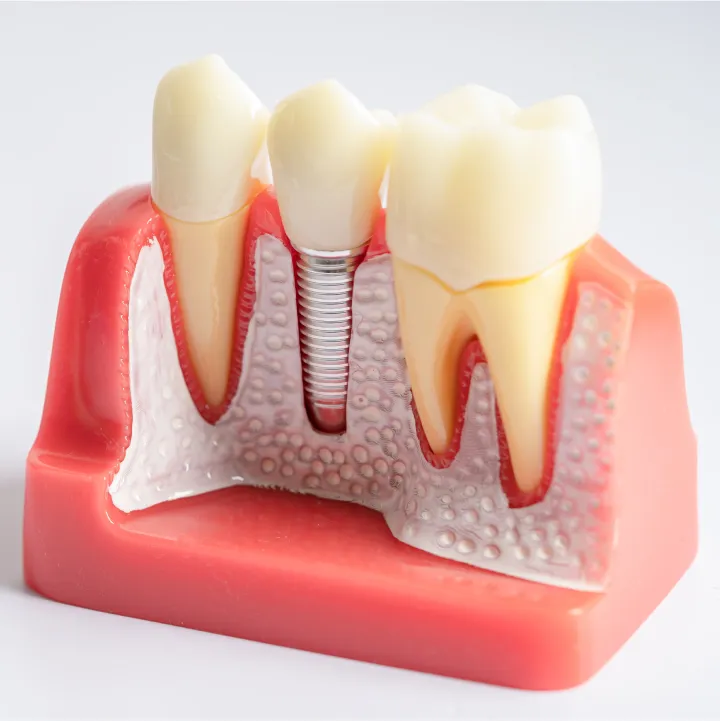
Dental implants in Somerville MA are one of the most reliable, long lasting ways to replace missing teeth. They look natural, feel comfortable, and function like real teeth. However, many patients considering this treatment often ask the same question: How long does it take to complete dental implant surgery?
The answer depends on several factors, but in most cases, the full dental implant process takes several months from start to finish. This is because the procedure involves multiple stages, including healing periods that are essential for long term success.
This comprehensive guide breaks down the timeline, explains each step, and helps you understand what to expect during your implant journey.
The Three Main Phases of Dental Implant Treatment
Dental implant treatment typically involves three stages:
- Consultation and preparation
- Implant placement surgery
- Healing and final crown placement
The total treatment time varies depending on your oral health, number of implants, and whether bone grafting or other procedures are needed.
How Long Does the Dental Implant Surgery Itself Take?
Most patients are surprised to learn that the actual implant placement is a relatively quick procedure. On average:
- Single implant surgery takes 30 to 60 minutes
- Multiple implants may take 1 to 2 hours
The time may increase if additional procedures are performed during surgery, such as bone grafting or tooth extraction.
Even though the surgery itself is short, the full timeline extends over several months due to healing and restoration stages.
Step by Step Timeline of the Dental Implant Process
Below is a detailed breakdown of how long each stage typically takes.
1. Initial Consultation and Treatment Planning (1 to 2 weeks)
Before surgery, your dentist or implant specialist will perform a complete evaluation, including:
- X rays
- 3D imaging
- Gum health assessment
- Bone density evaluation
This phase also includes discussing your medical history, reviewing treatment options, and creating a personalized plan.
If dental cleanings or periodontal therapy are needed before surgery, this may add extra time to the preparation stage.
2. Tooth Extraction, If Required (0 to 12 weeks)
If the damaged tooth is still present, extraction may be needed. The timeline varies:
- Simple extraction: healing may take 2 to 4 weeks
- Extraction with infection or large bone loss: healing may take 8 to 12 weeks
In some cases, an implant can be placed immediately after extraction, reducing total treatment time. This option is not suitable for everyone.
3. Bone Grafting, If Needed (3 to 6 months)
Bone grafting is required when the jawbone is too thin or weak to support an implant. This is common in patients with:
- Long term tooth loss
- Gum disease
- Previous infections
- Bone resorption
Small grafts may heal in 8 to 12 weeks, but larger grafts often require 3 to 6 months before an implant can be placed.
If no bone graft is needed, you can move directly to implant surgery.
4. Dental Implant Placement Surgery (30 to 120 minutes)
During surgery, a titanium implant post is placed into the jawbone. The procedure normally involves:
- Local pain management
- Incision and implant placement
- Suturing
- Postoperative instructions
Patients typically return home the same day and experience only minor swelling or tenderness for a few days.
5. Osseointegration Healing Period (3 to 6 months)
This is the most important step. The jawbone must fuse with the implant in a process called osseointegration.
Healing time varies based on:
- Bone quality
- Implant location
- Number of implants
- Patient health
- Smoking habits
Average osseointegration times:
- Lower jaw implants: 3 months
- Upper jaw implants: 4 to 6 months
The upper jaw usually requires more healing time because the bone is softer.
6. Abutment Placement (1 to 2 weeks of healing)
Once the implant has fused with the bone, a small connector called an abutment is placed. This requires a minor procedure that usually takes:
- 10 to 20 minutes
After abutment placement, the gums need 1 to 2 weeks to heal before the final crown can be attached.
Some implants use immediate abutments, reducing total time.
7. Final Crown Placement (2 to 3 weeks)
The last step is attaching the custom crown. Your dentist will take impressions and work with a dental lab to create a crown that matches the color, size, and shape of your natural teeth.
Once the crown is ready, it is securely attached to the abutment.
Total Time From Start to Finish
Here is what the full treatment timeline can look like:
best case scenario (no grafting, healthy gums):
3 to 5 months
moderate case (extraction or minor graft):
5 to 8 months
complex case (large graft or severe bone loss):
8 to 12 months or more
Remember that these ranges vary depending on individual healing and the complexity of the case.
Factors That Affect Dental Implant Timeline
Several factors determine how long the entire process takes:
1. Bone density and jaw health
Stronger bone heals faster and requires fewer additional procedures.
2. Gum disease or infection
Active periodontitis must be treated before implants can be placed.
3. Number of implants
Placing multiple implants in one visit takes longer but may shorten the overall treatment time.
4. Need for additional procedures
Sinus lifts, ridge augmentation, or grafting extend the timeline.
5. Overall health and lifestyle
Conditions such as diabetes or smoking can slow healing.
6. Implant technique
Some advanced systems offer immediate load implants, but only certain patients qualify.
Can Dental Implants Be Done in One Day?
In certain cases, yes. Same day or immediate load implants allow placement of a temporary crown during the same visit. However, not every patient is a candidate.
You may qualify if:
- You have strong jawbone density
- You have no active gum disease
- You are replacing a single tooth
- Your bite does not place excessive pressure on the implant
Even with same day implants, a final permanent crown is usually placed later after healing is complete.
How to Speed Up the Healing Process
Patients can support faster healing by:
- Avoiding smoking
- Maintaining proper oral hygiene
- Following diet and activity instructions
- Attending follow up appointment
- Managing chronic conditions like diabetes
Good communication with your dentist throughout the process ensures the best results.
Conclusion
The dental implant process may take several months, but the final result is a strong, natural-looking, and long-lasting tooth replacement. While the surgery itself is relatively quick, most of the total treatment time is devoted to healing and preparing the mouth for predictable, successful outcomes.
Whether your timeline is three months or one year, dental implants remain one of the most beneficial and reliable restorative treatments available today.


Hours
Monday & Wednesday: 9 AM - 6 PM
Tuesday & Friday: 9 AM - 5 PM
Saturday: 9 AM - 3 PM
Thursday & Sunday: Closed


© 2025 Malden Cosmetic Dentistry & Implants | All Rights Reserved | Privacy Policy | HIPAA Policy | Designed by Remedo