
How Long Does Pain Last After a Tooth Extraction?
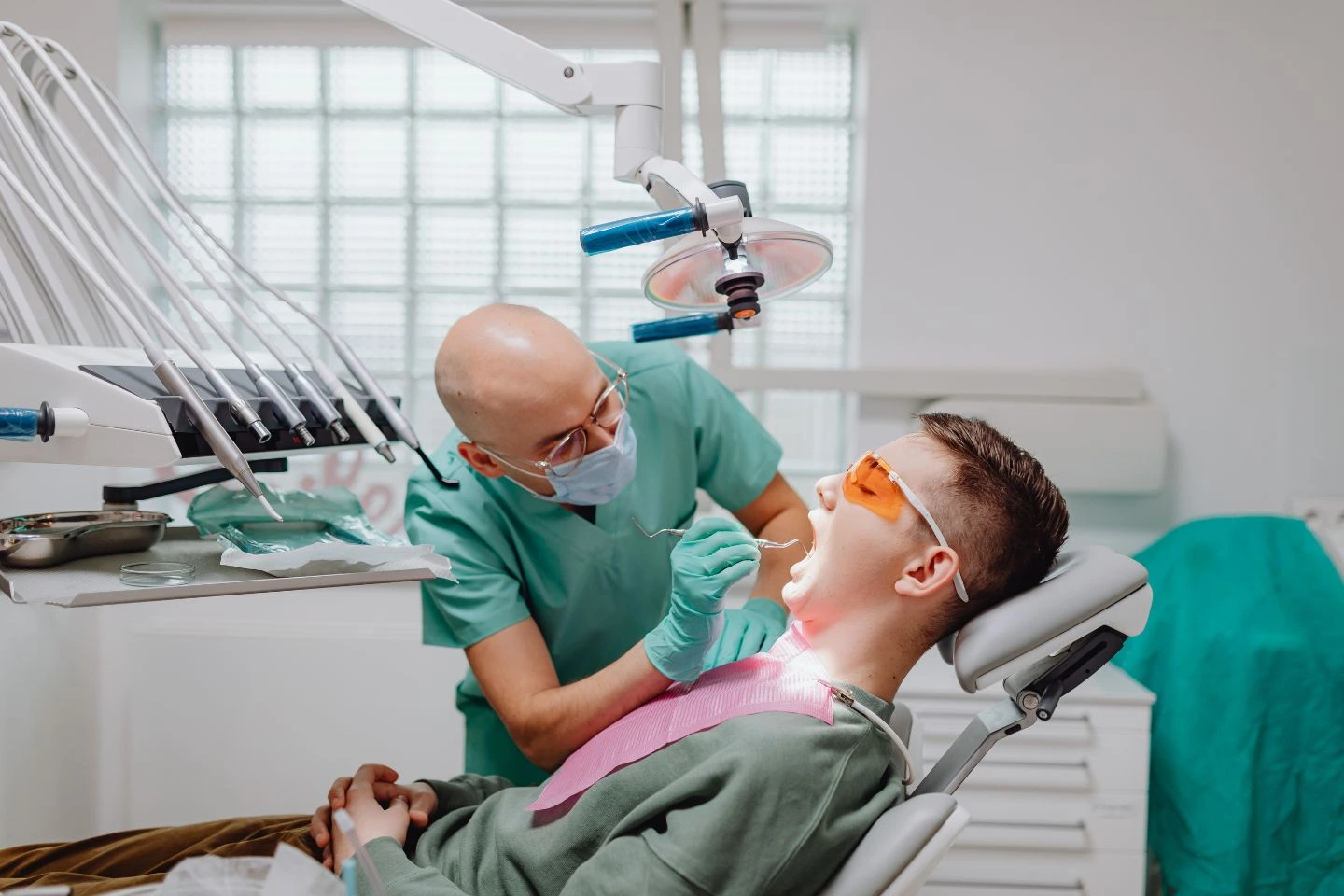
Facing a tooth extraction can feel a bit overwhelming, even if you know it is the best step for your health. Whether you are dealing with a badly damaged molar, preparing for restorative dental implants, or finally clearing out a crowded wisdom tooth, the thought of the aftermath usually brings up a very practical question: How long am I going to hurt?
It is a completely normal concern. Nobody wants to be caught off guard by lingering discomfort when they are trying to get back to their normal routine. The truth is that healing looks a little different for everyone. While the body is remarkably good at repairing itself, recovery unfolds in stages rather than all at once.
Let us walk through what a typical healing timeline looks like, what kind of discomfort is normal, and how you can support a smooth recovery right here in Malden, Massachusetts.
The First Few Days: The Peak of Healing
To understand the pain timeline, it helps to know what is happening inside your jaw right after a procedure. When a tooth is removed, your body immediately goes to work protecting the empty socket. A blood clot forms in the space to shield the underlying bone and nerve endings. That clot is essentially nature's bandage, and keeping it secure is the secret to a comfortable recovery.
- Days 1 to 2: This is when you are most likely to notice the peak of your discomfort. Once the local anesthetic wears off, a dull, throbbing ache usually settles into the extraction site. You might also experience mild swelling in your cheek, a bit of stiffness when you try to open your mouth wide, and occasional minor oozing. For most people, this acute phase is managed quite well with prescribed or over-the-counter pain relievers recommended by your dental team.
- Days 3 to 4: By around the third day, the sharpest edges of the discomfort tend to taper off. Swelling usually peaks around day two or three and then starts heading in the other direction. You might still feel a dull ache, but it should feel manageable, fading steadily as each day passes.
If you find yourself needing heavy pain medication past the third or fourth day, or if the pain suddenly intensifies instead of improving, that is your cue to reach out to your care team.
Moving Toward Comfort: Days 5 to 7 and Beyond
As you cross the middle of your first week, the recovery process shifts gears. The initial inflammatory phase calms down, and your gum tissue begins the delicate work of closing over the socket.
- Days 5 to 7: By the end of the first week, most patients find they can step away from standard pain relievers entirely. You might still feel a faint, dull sensation if you accidentally bump the area or chew too close to the site, but the constant throbbing should be gone.
- Weeks 2 to 4: While the surface gum tissue heals relatively quickly, often closing up within a couple of weeks, the deeper bone inside the jaw is still actively remodeling underneath. This deeper structural healing takes a few months, but it happens completely silently without causing you any daily discomfort.
Keep in mind that factors like the complexity of your procedure play a massive role here. A simple, straightforward extraction of a loose tooth bounces back much faster than a surgical extraction involving impacted wisdom teeth or deep roots.
Red Flags: When Pain Isn't Normal
Discomfort after a tooth extraction is expected, but prolonged or severe pain can sometimes point to a common complication known as a dry socket.
A dry socket happens when the protective blood clot gets dislodged or dissolves too early before the wound has a chance to heal. When that happens, the underlying bone and delicate nerves are left exposed to air, food particles, and fluids.
How it feels: Unlike normal post-extraction soreness that steadily improves day by day, dry socket pain tends to flare up sharply around day three or four. It often radiates toward your ear, temple, or neck, and standard pain medication may barely touch it.
What to do: If you suspect a dry socket, do not try to tough it out at home. Contact your dental provider immediately. A quick, simple treatment at the office can soothe the exposed nerves and get you back on the road to comfort almost instantly.
Simple Habits to Protect Your Recovery
The way you treat your mouth during the first forty-eight hours has a huge impact on how long your discomfort lasts. Protecting that initial blood clot makes all the difference.
- Skip the straw: Suction from drinking through a straw can easily pull the blood clot right out of the socket. Stick to sipping directly from a cup.
- Hold off on smoking: Tobacco use introduces chemicals that irritate the healing tissue and drastically increases your risk of developing a painful dry socket. Try to pause smoking for as long as your dentist advises.
- Eat soft foods: Give your jaw a break by sticking to nutrient-dense, soft foods like yogurt, scrambled eggs, mashed potatoes, and lukewarm soups for the first few days. Gradually reintroduce harder foods as comfort allows.
- Keep up with gentle hygiene: You still need to keep your mouth clean, but avoid brushing directly over the extraction site for the first day or two. Gentle warm salt water rinses starting on day two help keep the area fresh without disturbing the healing process.
Recovering from a tooth extraction takes a little patience, but listening to your body and following your post-op instructions closely helps ensure the process is as quick and comfortable as possible.
Book Your Consultation
Dealing with a troublesome tooth or recovering from an extraction in the local area? Reach out to Malden Cosmetic Dentistry & Implants in Malden, MA, today to schedule a consultation and get personalized, supportive care for your smile.
Frequently Asked Questions
Q: How long does moderate pain usually last after a tooth extraction?
A: For most routine extractions, the most noticeable pain and throbbing peak within the first 24 to 48 hours and steadily improve by days three to five.
Q: Is it normal for my jaw to feel stiff after having a tooth pulled?
A: Yes, mild jaw stiffness or difficulty opening your mouth fully is quite common, especially if you had a longer procedure or a lower molar removed. This stiffness typically resolves on its own within a few days.
Q: What should I do if my pain starts getting worse instead of better?
A: If your discomfort begins intensifying after the third day rather than fading, or if painkillers stop working, contact your dental office right away. This can be a sign of a dry socket or minor irritation that requires professional attention.
Q: When can I go back to my normal exercise routine?
A: It is generally best to avoid heavy lifting and vigorous exercise for at least 48 to 72 hours after an extraction. Elevated heart rates and blood pressure can increase bleeding and throbbing at the surgical site. Check with your care team before jumping back into intense workouts.


Hours
Monday & Wednesday: 9 AM - 6 PM
Tuesday & Friday: 9 AM - 5 PM
Saturday: 9 AM - 3 PM
Thursday & Sunday: Closed


© 2025 Malden Cosmetic Dentistry & Implants | All Rights Reserved | Privacy Policy | HIPAA Policy | Designed by Remedo