
How to Reduce Swelling After a Tooth Extraction
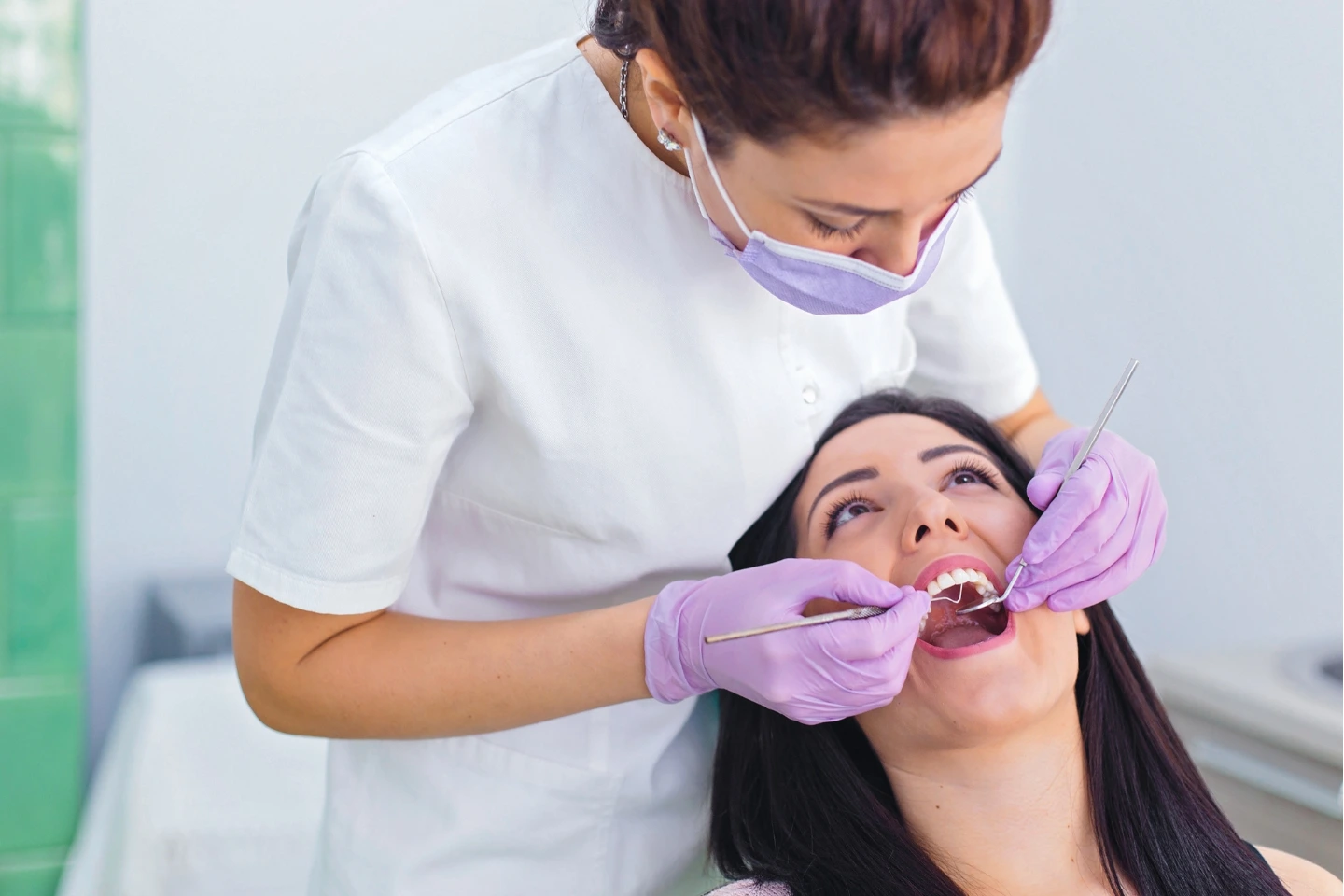
Getting a tooth pulled is rarely an experience anyone looks forward to, but sometimes it is the smartest step toward keeping your smile healthy. Once you finally make it home, kick off your shoes, and settle onto the couch, you might notice something happening to your face. Over the next twenty-four to forty-eight hours, your cheek on that side starts puffing up.
It can feel a little startling to catch sight of yourself in the mirror and see a chipmunk cheek staring back. But facial swelling is actually a completely standard part of how your body responds to oral surgery.
Understanding why puffiness happens, how to manage it safely, and when a swollen cheek crosses the line into something that needs a professional opinion can make your recovery a whole lot smoother. Let's walk through some practical, everyday ways to keep swelling under control right here in after tooth extraction Malden, Massachusetts.
Why Your Face Decides to Puff Up
To manage swelling effectively, it helps to understand what is triggering it in the first place. When a dentist removes a tooth, especially if it involves a stubborn molar or a surgical extraction, your local tissues experience physical stress.
Your immune system reacts instantly by sending extra blood flow, white blood cells, and fluid to the surgical site to kickstart the healing process and protect against bacteria. That rush of fluid is what causes the visible swelling in your cheek and jawline.
Interestingly, post-extraction swelling rarely peaks immediately. It usually builds slowly on the first day, usually peaks around day two or three, and then begins to taper off and vanish over the rest of the week.
Ways to Keep Swelling Down
While you cannot stop your body from mounting a natural healing response, you can definitely take the edge off the puffiness with a few simple, proven strategies.
- Reach for the ice pack early: Cold therapy is your best friend during the first forty-eight hours. Wrap an ice pack or a bag of frozen peas in a clean cloth and hold it against your cheek for fifteen to twenty minutes at a time, then take a break. The cold helps constrict blood vessels and slows down fluid buildup.
- Prop your head up: Gravity is surprisingly helpful when you are managing facial swelling. When you lie down flat, fluid can pool around your face and make puffiness worse. Prop your head up with an extra pillow or two when resting during the first couple of days.
- Make friends with cool, soft foods: Eating cool foods like yogurt, chilled applesauce, or lukewarm smoothies can feel wonderfully soothing against a tender, slightly swollen jaw.
- Skip the heat for now: As tempting as it might be to slap a warm heating pad or a hot washcloth onto a sore cheek, hold off. Heat can increase blood flow and may make swelling and throbbing worse during those first few crucial days.
When Swelling Starts Acting Suspicious
Most post-extraction swelling follows a predictable curve: it grows for a couple of days, levels out, and then starts shrinking. But occasionally, your body throws a curveball. Knowing when swelling signals a potential complication keeps you safe.
- Swelling that rebounds: If your cheek puffs down nicely by day four or five, and then suddenly swells right back up or starts expanding further down your neck, pay attention. That unexpected turnaround is worth a phone call.
- Accompanying red flags: Swelling paired with a fever, chills, a foul taste in your mouth, or pain that suddenly shifts from a dull ache to a sharp, intense throbbing points toward a possible infection or a dry socket that needs professional care.
Trust your instincts. If something feels off or your swelling remains significant or worsens after several days, reach out to your care team for peace of mind.
Simple Habits to Protect Your Overall Recovery
Managing puffiness goes hand in hand with protecting the delicate healing socket underneath. The way you treat your mouth during the first few days can affect how your recovery goes.
- Hands and tongues off: It is human nature to poke around a swollen area with your tongue, but keep contact to an absolute minimum to protect the healing tissue.
- Put smoking on pause: Tobacco smoke introduces chemicals that irritate raw tissue and spike your risk of complications, so try to pause entirely while your face is healing.
- Skip the straws: Suction from drinking liquids through a straw can accidentally dislodge the protective blood clot in the socket, resetting your healing clock. Sip directly from a cup instead.
Recovering from dental surgery requires a bit of patience and self-care. By treating your body gently and using cold therapy early, you can keep post-op swelling manageable and support a smoother recovery.
Get Personalized Care For Swelling
Dealing with persistent swelling or have questions about your post-extraction recovery? Reach out to Malden Cosmetic Dentistry & Implants in Malden, MA, today to speak with our team and ensure your smile heals safely.
Frequently Asked Questions
Q: How many days does facial swelling typically last after an extraction?
A: Swelling usually peaks around the second or third day after your procedure and then begins to gradually subside, often improving significantly within five to seven days.
Q: Is it better to use ice or heat for a swollen jaw?
A: Cold packs are commonly recommended during the first 48 hours to help constrict blood vessels and reduce puffiness. Avoid heat during this initial window, as heat increases blood flow and can make swelling worse.
Q: When should I worry about swelling that doesn't go away?
A: If your swelling continues to increase past the third day instead of shrinking, or if it is accompanied by a fever, pus, or severe worsening pain, contact your dental office right away for an evaluation.
Q: Can I sleep flat on my back after a tooth extraction?
A: It is generally recommended to keep your head elevated on extra pillows for the first couple of nights. Propping your head up uses gravity to help minimize fluid pooling and facial puffiness while you sleep.


Hours
Monday & Wednesday: 9 AM - 6 PM
Tuesday & Friday: 9 AM - 5 PM
Saturday: 9 AM - 3 PM
Thursday & Sunday: Closed


© 2025 Malden Cosmetic Dentistry & Implants | All Rights Reserved | Privacy Policy | HIPAA Policy | Designed by Remedo