
Tooth Extraction Recovery: Normal Symptoms vs. Warning Signs
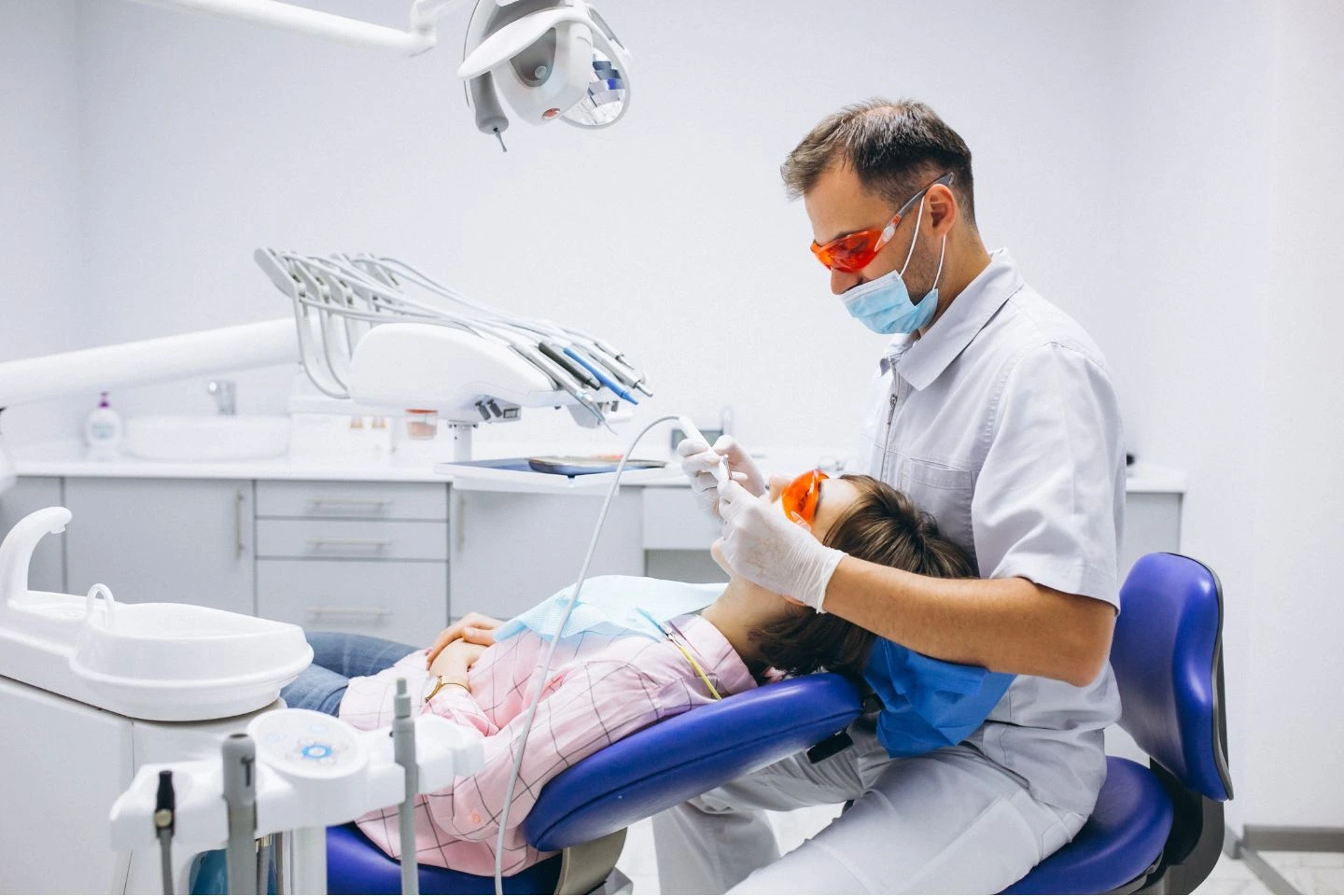
Going through a tooth extraction is rarely anyone's favorite way to spend an afternoon. Whether you are prepping for restorative dental implants or bidding farewell to a damaged molar that simply couldn't be saved, the procedure itself is only half the journey. Once you get home and the local anesthetic slowly wears off, a brand-new phase begins: recovery.
Naturally, your body needs a bit of time to mend. But as you sit on the couch with an ice pack pressed against your cheek, a very common set of questions usually runs through your head. Is this throbbing ache normal? How much swelling is too much? When should I start worrying?
Knowing the difference between a textbook healing process and a red flag can save you a lot of unnecessary stress. Let us walk through what typical recovery looks like and what signs mean it is time to give your dental team a call.
The Normal Ups and Downs of Healing
When a tooth is removed, your body immediately goes to work protecting the empty space. A blood clot forms inside the socket, acting as a natural bandage over the bone and nerve endings. Most of the discomfort you feel during the first few days is simply your tissues adjusting to that change and kicking off the repair process.
- The first 24 to 48 hours: This is usually when discomfort peaks. You can expect a dull, steady ache around the site once the numbing medicine wears off. Mild swelling in your cheek, slight stiffness when opening your mouth, and occasional minor oozing are all entirely standard parts of day one and two.
- Days three through five: By this point, the sharpest edges of the pain should start smoothing out. Swelling usually hits its maximum around day two or three and then begins to recede. You might still feel a faint, dull soreness, but each day should feel noticeably better than the last.
- The first week and beyond: Surface gum tissue heals quite quickly, often closing over the socket within a couple of weeks. While the deeper bone underneath takes a few months to fully remodel, you should be back to your regular routine and off standard pain relievers well before then.
Warning Signs You Should Not Ignore
While some discomfort is a common part of the healing process, certain symptoms cross the line from typical recovery into territory that requires professional attention. Paying close attention to how your body responds helps you catch minor complications before they turn into major hurdles.
- Intense, worsening pain: If your discomfort steadily improves for a couple of days and then suddenly flares up into a sharp, throbbing agony around day three or four, take note. This is often the hallmark sign of a dry socket, which happens when the protective blood clot gets dislodged prematurely, leaving bone and nerves exposed.
- Fever or chills: A low-grade temperature can occasionally happen after surgery, but a distinct fever or recurring chills can be signs of an infection.
- Pus or persistent bad taste: A foul taste in your mouth or visible discharge around the extraction site can be signs of an infection that needs professional evaluation.
- Prolonged bleeding: While minor oozing is expected on the first day, steady, heavy bleeding that does not slow down despite firm pressure with clean gauze needs evaluation.
- Uncontrollable swelling: Swelling that continues to balloon outward after the third day rather than shrinking is worth a quick phone call to your care team.
Simple Habits to Keep Your Recovery on Track
The way you care for your mouth during the first forty-eight hours plays a massive role in whether your recovery feels smooth or bumpy. Protecting that initial blood clot is your number one priority.
- Skip the straw: The suction created by sipping through a straw can easily pull the blood clot right out of its cozy spot. Stick to drinking directly from a cup.
- Put smoking on pause: Tobacco products introduce chemicals that irritate healing tissue and drastically spike your risk of developing a dry socket. Try to hold off for as long as your dentist advises.
- Eat soft and smart: Give your jaw a break by stocking up on nutrient-dense, easy-to-manage foods like yogurt, scrambled eggs, mashed potatoes, and lukewarm soups during the first few days.
- Gentle hygiene: You still need to keep your smile clean, but steer clear of brushing directly over the extraction site for the first day or two. Gentle warm salt water rinses starting on day two help keep the area fresh without disturbing the healing process.
Recovering from an oral procedure takes a little patience, but listening to your body and following your post-op instructions closely can help support a smoother recovery.
Dealing with lingering discomfort or have questions about your healing process? Reach out to Malden Cosmetic Dentistry & Implants in Malden, MA, today to speak with our team and ensure your smile heals safely and comfortably.
Frequently Asked Questions
Q: Is it normal to have mild facial swelling after an extraction?
A: Yes, mild to moderate swelling in the cheek near the extraction site is very common and usually peaks around the second or third day before gradually subsiding.
Q: What does dry socket pain feel like?
A: Unlike normal post-extraction soreness that steadily fades day by day, dry socket pain tends to be sharp, severe, and radiating, often spreading toward your ear, temple, or neck, and it usually does not respond well to standard over-the-counter pain relievers.
Q: When can I return to my normal exercise routine?
A: It is generally best to avoid heavy lifting and intense workouts for at least 48 to 72 hours. Strenuous physical activity raises your heart rate and blood pressure, which can trigger renewed bleeding and throbbing at the surgical site.
Q: How long does it take for the gums to fully close over the socket?
A: The surface gum tissue typically heals and closes over the extraction site within about two weeks, though the deeper underlying jawbone takes a few months to fully remodel and fill in.


Hours
Monday & Wednesday: 9 AM - 6 PM
Tuesday & Friday: 9 AM - 5 PM
Saturday: 9 AM - 3 PM
Thursday & Sunday: Closed


© 2025 Malden Cosmetic Dentistry & Implants | All Rights Reserved | Privacy Policy | HIPAA Policy | Designed by Remedo