
When Can You Brush Your Teeth After a Tooth Extraction?
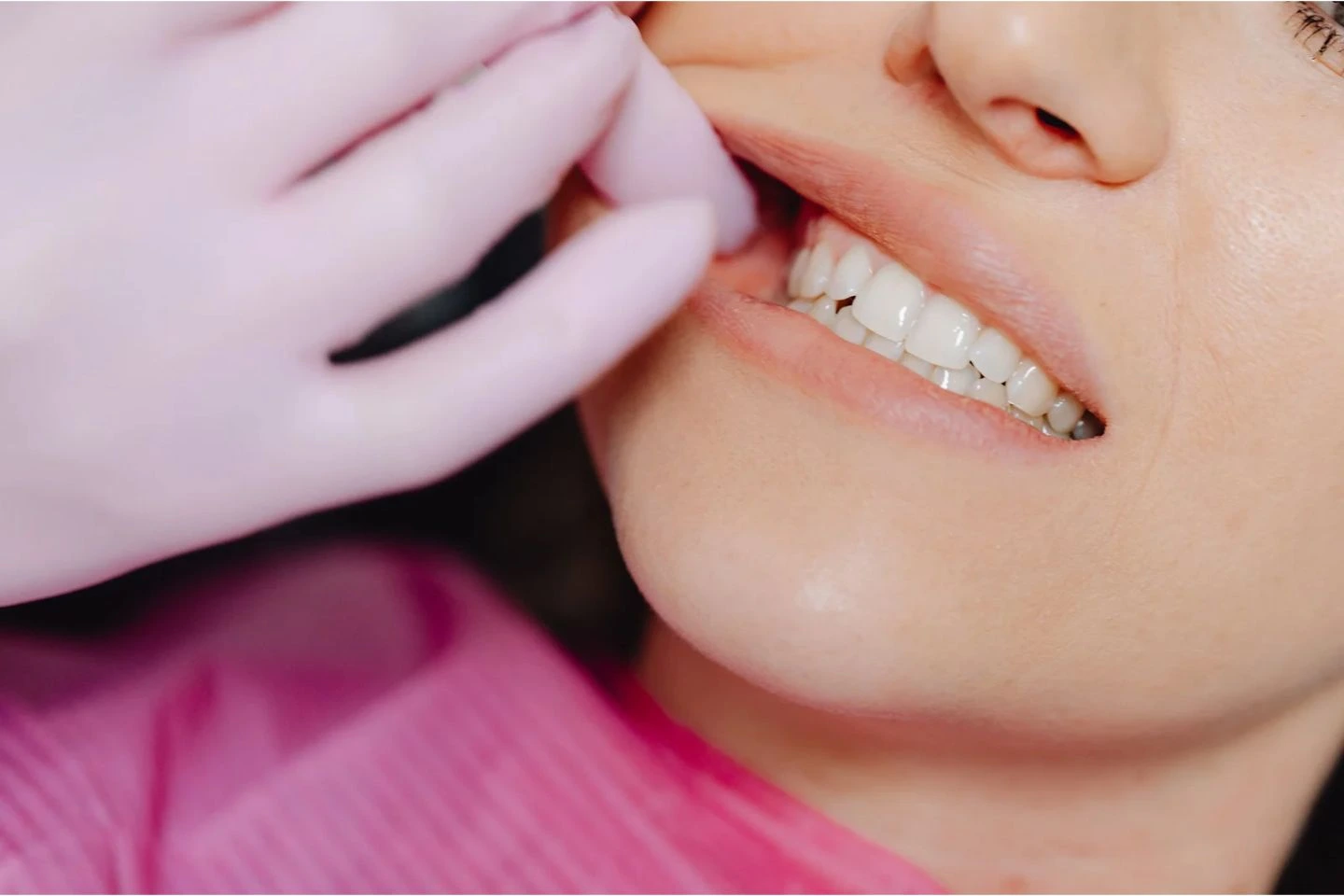
Having a tooth pulled leaves your mouth feeling pretty tender, and your first thought that evening is probably to reach for your toothbrush and scrub everything clean. Keeping your mouth clean is usually one of the best things you can do for your oral health.
However, brushing right after surgery takes a completely different touch than your normal daily routine.
If you brush too hard or touch the wrong area too soon, you can disturb or dislodge the blood clot resting in the socket and set your recovery back. On the flip side, skipping your oral care entirely lets plaque and bacteria build up, which may increase your risk of developing an infection.
If you recently had a tooth extraction in Malden, MA, or are planning for an upcoming procedure, knowing exactly when and how to brush your teeth safely keeps your recovery smooth and comfortable.
The Golden Rule: The First 24 Hours
During the initial 24 hours following your tooth extraction, you should not brush the teeth immediately next to the open socket, and you must avoid direct contact with the surgical site entirely.
Your body spends those first 24 hours building a vital blood clot inside the empty socket. This clot covers the underlying bone and sensitive tissues, acting as a natural bandage while new tissue develops. Brushing directly over the socket or using a hard toothbrush head nearby can disturb that clot and may contribute to a painful complication known as dry socket.
While you should leave the extraction site alone on day one, you can still brush your remaining teeth very carefully. Gently clean your front teeth or the opposite side of your mouth using a soft-bristled toothbrush, keeping the bristles far away from the healing area.
Crucial warning for day one: Do not spit out your toothpaste forcefully after brushing. Forceful spitting can create pressure and suction inside your mouth that may disturb the blood clot. Instead, lean over the sink and let the toothpaste and foam gently fall out of your mouth naturally.
How to Resume Brushing After Day One
Once you pass the 24-hour mark, you can slowly begin expanding your oral hygiene routine back toward normal, provided you use extra gentle techniques.
Use a Soft-Bristled Toothbrush
Always use a soft or extra-soft toothbrush during recovery. Hard or medium bristles may irritate healing gum tissue and can cause irritation or bleeding if they slip.
Carefully Approach Adjacent Teeth
Starting on day two, you can begin cleaning the teeth next to the extraction site. Use slow, gentle circular motions, keeping the brush head angled slightly away from the raw tissue. Take your time and do not rush.
Introduce Gentle Salt Water Rinses
After the first 24 hours, some commercial mouthwashes may still irritate the extraction site, especially those containing alcohol. Instead, mix half a teaspoon of plain salt into a glass of warm water. Gently swish the warm salt water around your mouth after meals to clean the area and wash away food particles, then lean over the sink to let it spill out naturally.
Crucial Habits to Avoid While Healing
To keep your healing socket safe while you clean your teeth, keep these essential rules in mind over your first week of recovery:
- No Electric Toothbrushes: The strong vibrations from an electric toothbrush may irritate the healing socket or cause accidental impact against sensitive gums. Stick to a manual soft toothbrush for at least five to seven days.
- No Commercial Alcohol Rinses: Alcohol-based mouthwashes may cause dryness or irritation and cause a sharp burning sensation on open wound areas.
- No Water Flossers: High-pressure water irrigators send a concentrated stream of water directly into gaps between teeth. Using a water flosser anywhere near an extraction site may disturb the blood clot.
- No Forceful Spitting or Straws: Avoid creating any form of suction in your mouth. Drink directly from a glass and let liquids fall naturally out of your mouth when rinsing.
Timeline for Returning to Your Normal Dental Routine
Every person heals at a slightly different pace, but most recoveries follow a simple week-by-week timeline:
- Days 1 to 3: Clean surrounding teeth very carefully with a soft manual brush. Avoid the extraction site directly, avoid spitting, and use warm salt water rinses after day one.
- Days 4 to 7: Soft tissue begins closing over the empty socket. You can brush closer to the area with light pressure, but continue avoiding direct scrubbing on the wound.
- After Day 7: Many patients can gradually resume normal brushing and gentle flossing around the area, depending on healing and their dentist's instructions.
Protect Your Recovering Smile at Malden Cosmetic Dentistry & Implants
Knowing how to care for your teeth after a dental procedure can give you greater confidence throughout your recovery. Clear instructions and gentle post-op support make taking care of your smile straightforward.
At Malden Cosmetic Dentistry & Implants, we focus on providing compassionate care and detailed recovery guidance for every patient. Whether you have questions about tooth extraction in Malden, MA, or want to learn more about replacing a missing tooth in the future, our team is here to assist you.
Contact our Malden office today to schedule your consultation and keep your smile healthy and comfortable.
Frequently Asked Questions
Q: What should I do if I accidentally brush over my extraction site?
A: If your toothbrush slips and touches the site, stop immediately and check for bleeding. If minor bleeding occurs, place a clean piece of sterile gauze over the area and bite down gently for twenty minutes. Avoid touching or rinsing the area for the rest of the day.
Q: When can I use toothpaste again after a tooth extraction?
A: You can use toothpaste right away on the first day to brush your other healthy teeth. Just remember not to spit forcefully when you are finished; lean over the sink and let the foam dribble out gently.
Q: Can I floss my teeth after a tooth extraction?
A: You can floss your other teeth after your procedure, but avoid flossing the teeth immediately adjacent to the extraction socket until the area is less tender and follow your dentist's specific instructions so you do not pull on tender gum tissue.
Q: When can I start using my electric toothbrush again?
A: The timing for switching back to an electric toothbrush depends on how the area is healing and your dentist's instructions. Once the soft tissue has closed over the socket and your gums no longer feel tender, you can discuss resuming your electric brush with your dentist.


Hours
Monday & Wednesday: 9 AM - 6 PM
Tuesday & Friday: 9 AM - 5 PM
Saturday: 9 AM - 3 PM
Thursday & Sunday: Closed


© 2025 Malden Cosmetic Dentistry & Implants | All Rights Reserved | Privacy Policy | HIPAA Policy | Designed by Remedo